
Why Material Selections Matter More Than You Think
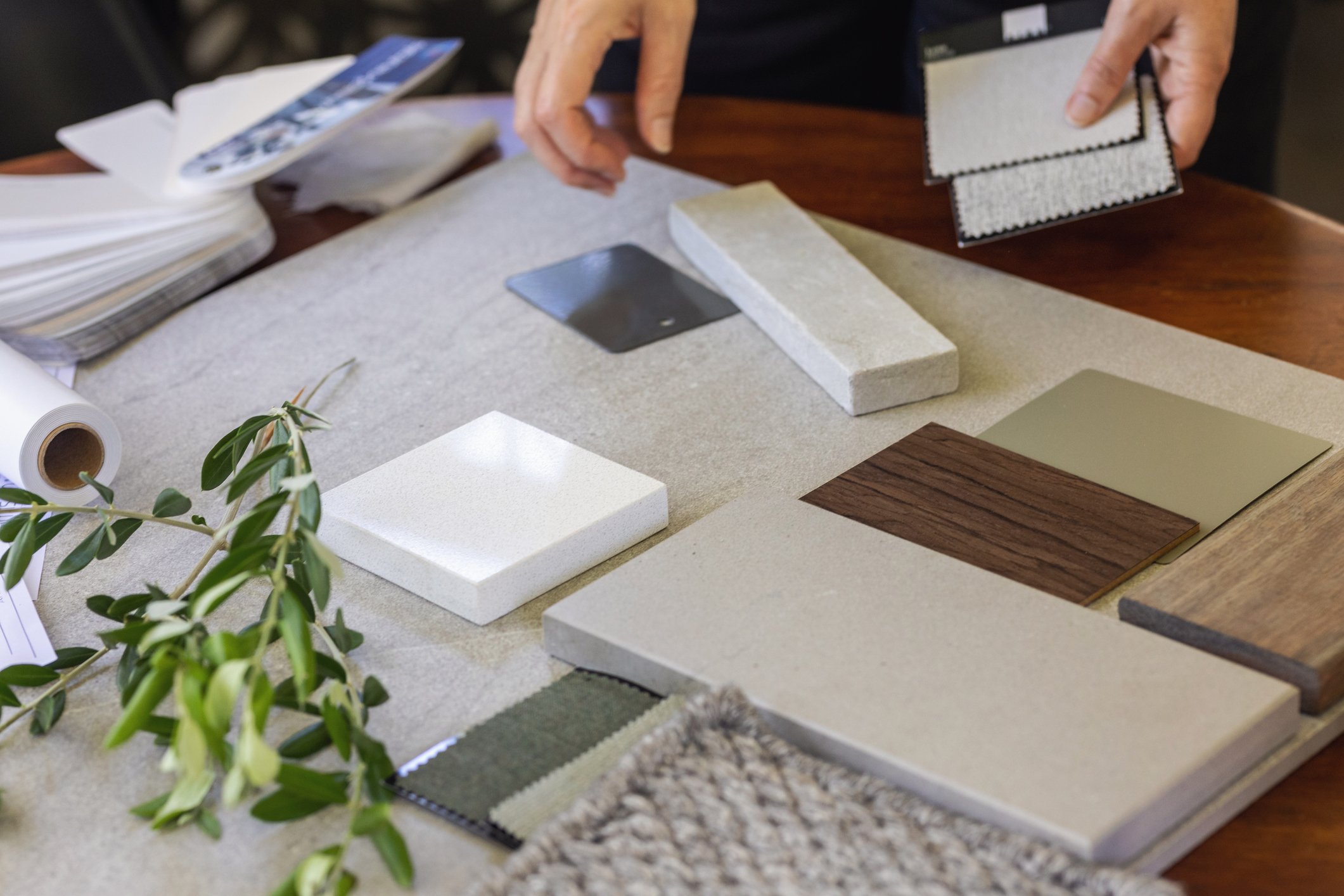
Before furniture is installed or styling accessories are added, materials are already setting the tone of the space.
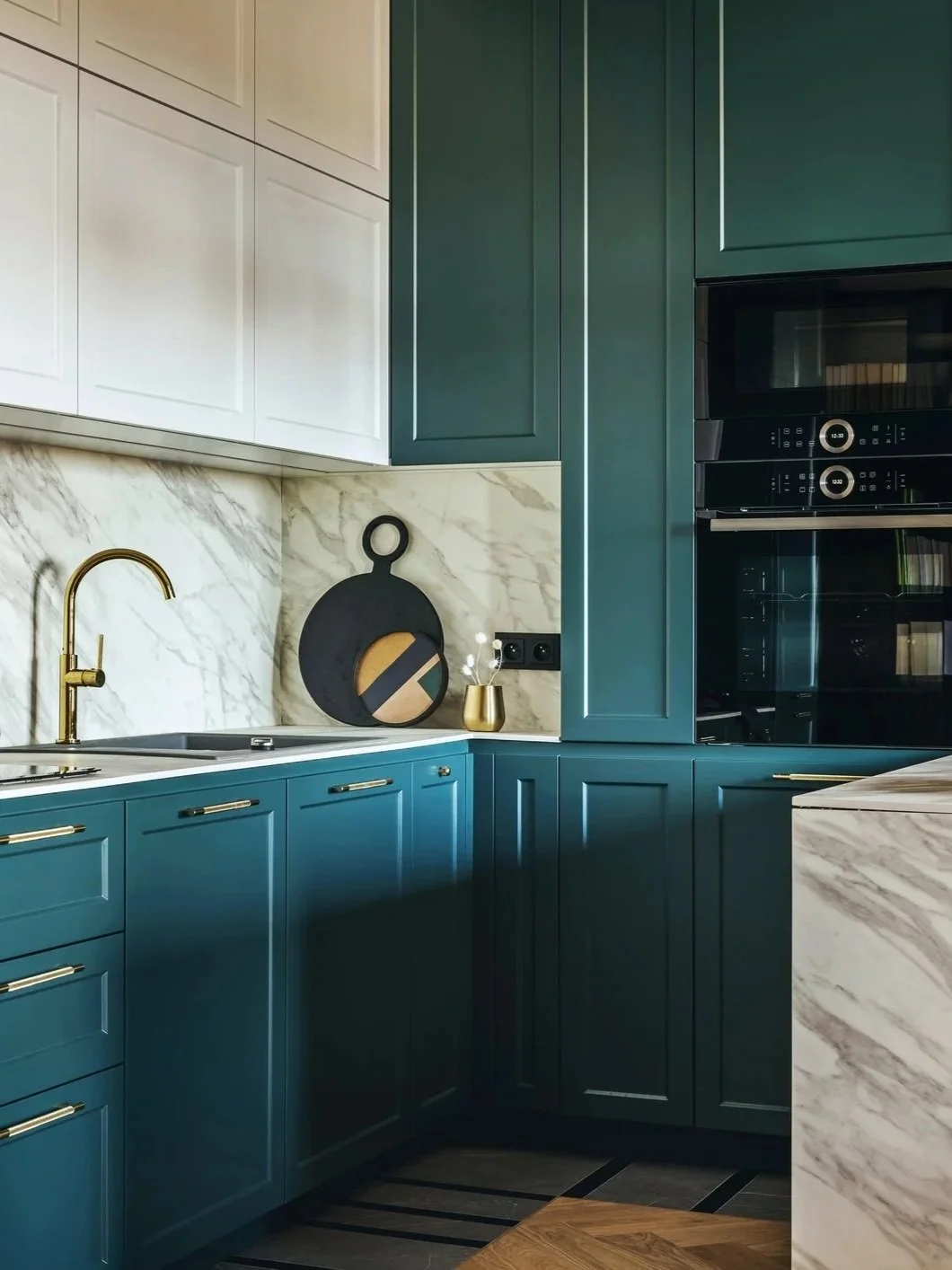
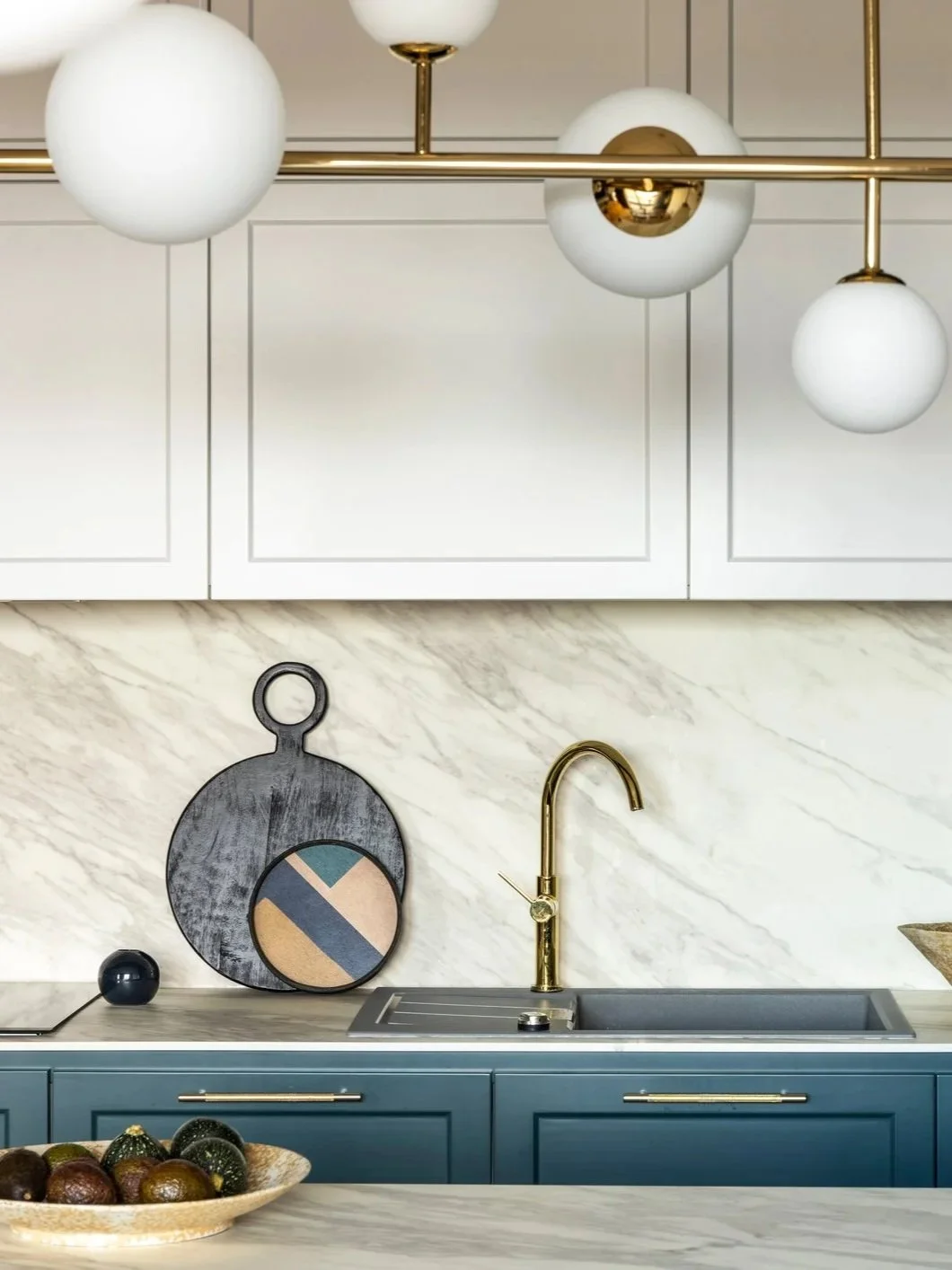
A kitchen with warm wood tones, layered textures, marble-inspired surfaces, and brushed brass fixtures will feel completely different from one with cool grays, stark whites, and high contrast finishes — even if the layout is exactly the same.
That’s because materials influence:
warmth,
depth,
lighting,
texture,
and the overall emotional feel of a home.
This is often why professionally designed spaces feel more polished and cohesive. The selections were never made separately — they were designed to work together from the beginning.
The Biggest Mistake Homeowners Make During a Remodel
One of the most common things I hear from clients is:
“I didn’t realize how many decisions there would be.”
And honestly, they’re right.
During a remodel, homeowners suddenly find themselves selecting:
flooring,
countertops,
tile,
paint colors,
cabinetry,
lighting,
hardware,
plumbing fixtures,
and furnishings —
often without knowing how each piece affects the others.
The challenge is that materials rarely exist in isolation.
A countertop may look beautiful online but clash with flooring once installed.
A paint color that felt warm in the store may suddenly look gray beside cabinetry at home.
Even brass finishes can vary dramatically depending on the undertones surrounding them.
This is why intentional planning matters so much before construction begins.
Undertones Matter More Than You Think
One of the most overlooked elements in design is undertone.
Nearly every finish has one:
whites may lean creamy or cool,
woods can pull red, ash, or golden,
stone may contain warm or cool veining,
and metals can range from soft muted brass to bright yellow gold.
When undertones compete against one another, a space can feel visually disconnected — even if every individual selection is beautiful on its own.
This is why material selections should always be viewed together under the lighting conditions inside your home rather than chosen piece by piece.
It’s often the difference between a home feeling intentional versus “something feels off and I can’t figure out why.”
Layering Materials Creates a More Luxurious Look
Luxury design is rarely about using the most expensive finishes.
Instead, it’s about layering materials thoughtfully.
A well-designed space often balances:
smooth and textured surfaces,
warm and cool tones,
matte and polished finishes,
organic materials and clean lines.
That balance creates depth, softness, and visual interest without overwhelming the space.
This is also why warm minimalism continues to dominate interior design trends right now. Homeowners are gravitating toward spaces that feel calming, livable, and elevated instead of overly trendy.
Think:
warm woods,
creamy whites,
textured fabrics,
marble-inspired surfaces,
and softer contrasts.
The result feels timeless rather than overdesigned.
Material Selections Affect More Than Just Appearance
Good design isn’t only about aesthetics.
The right materials also impact:
durability,
maintenance,
functionality,
and long-term comfort.
For example:
some countertops stain more easily,
certain flooring performs better for pets and families,
and some finishes hold up better in humid coastal environments like Bay Area Houston.
A beautiful home should also function well for real life.
That balance between beauty and practicality is where thoughtful design becomes truly valuable.
Why Planning Early Saves Time, Money, and Stress
One of the biggest mistakes homeowners make is waiting too long to finalize selections.
When materials are chosen late in the process, it often leads to:
rushed decisions,
construction delays,
mismatched finishes,
increased costs,
and unnecessary stress.
Starting with a clear design direction early allows the entire project to move more smoothly — from contractor communication to budgeting and scheduling.
This is why I often begin projects with a full materials pull before major construction starts. It helps homeowners confidently visualize the space as a whole before making large investments.
DESIGN TIP
Before finalizing any materials, place your selections together in natural lighting. Cabinetry, countertops, flooring, paint, and hardware can look completely different once viewed side by side inside your home.
DESIGN TREND
Warm Minimalism with Layered Texture: homeowners are continuing to move away from overly cool gray interiors and toward softer, more organic spaces layered with warmth, texture, and timeless finishes. Think marble-inspired surfaces, warm woods, brushed brass, and calming neutral palettes.
At the end of the day, material selections shape far more than how a home looks.
They shape how it feels to live there.
The right combination of finishes can make a home feel:
calm,
welcoming,
elevated,
timeless,
and deeply personal.
And when every element works together cohesively, the space feels intentional from the very beginning.
If you’re planning a remodel or feeling overwhelmed by finish selections, having a clear design direction can simplify the process and help you avoid costly mistakes before construction even begins. Click to schedule your Discovery Call.
XO,

Amy Baez Interiors is a boutique interior design studio serving League City, Bay Area Houston, Clear Lake, Kemah, and surrounding coastal Texas communities.
