
Designing Spaces That Feel Intentional
Why thoughtful design decisions create calmer, more connected homes
As summer settles in and life naturally begins shifting outdoors, I always find myself thinking more intentionally about how our homes actually feel.
Not just how they photograph. Not just how they look on Pinterest, but how they support everyday living.
The most beautiful homes aren’t always the largest or the most expensive. More often, they’re the ones that feel calm, cohesive, welcoming, and connected to the people living inside them.
Lately, many of the projects I’ve been working on have centered around this exact idea — creating spaces that feel intentional through thoughtful layouts, balanced materials, layered textures, and design decisions that support real life.
Whether it’s refining a living room layout, helping clients navigate overwhelming material selections, or designing spaces that transition beautifully between indoors and outdoors, intentional design truly changes how a home functions and feels.
Why Intentional Design Matters More Than Ever
One thing I continue hearing from homeowners is this:
“Something feels off in my home, but I can’t quite figure out what it is.”
And honestly? That’s usually where thoughtful design makes the biggest difference.
Sometimes the issue isn’t a lack of furniture or décor. It’s visual imbalance. Poor scale. Competing focal points. Too many disconnected finishes. Or simply a room that was never fully planned together.
Intentional design means stepping back and looking at the full picture before making decisions.
It’s understanding how:
lighting affects materials
scale changes how a room feels
textures create warmth
color palettes influence mood
layouts impact daily living
and how every element should visually “talk” to each other
The goal is never to simply fill a space. The goal is to create an environment that feels layered, functional, calming, and connected.
Warm Minimalism Continues to Evolve
One design direction I continue to see gaining momentum is warm minimalism.
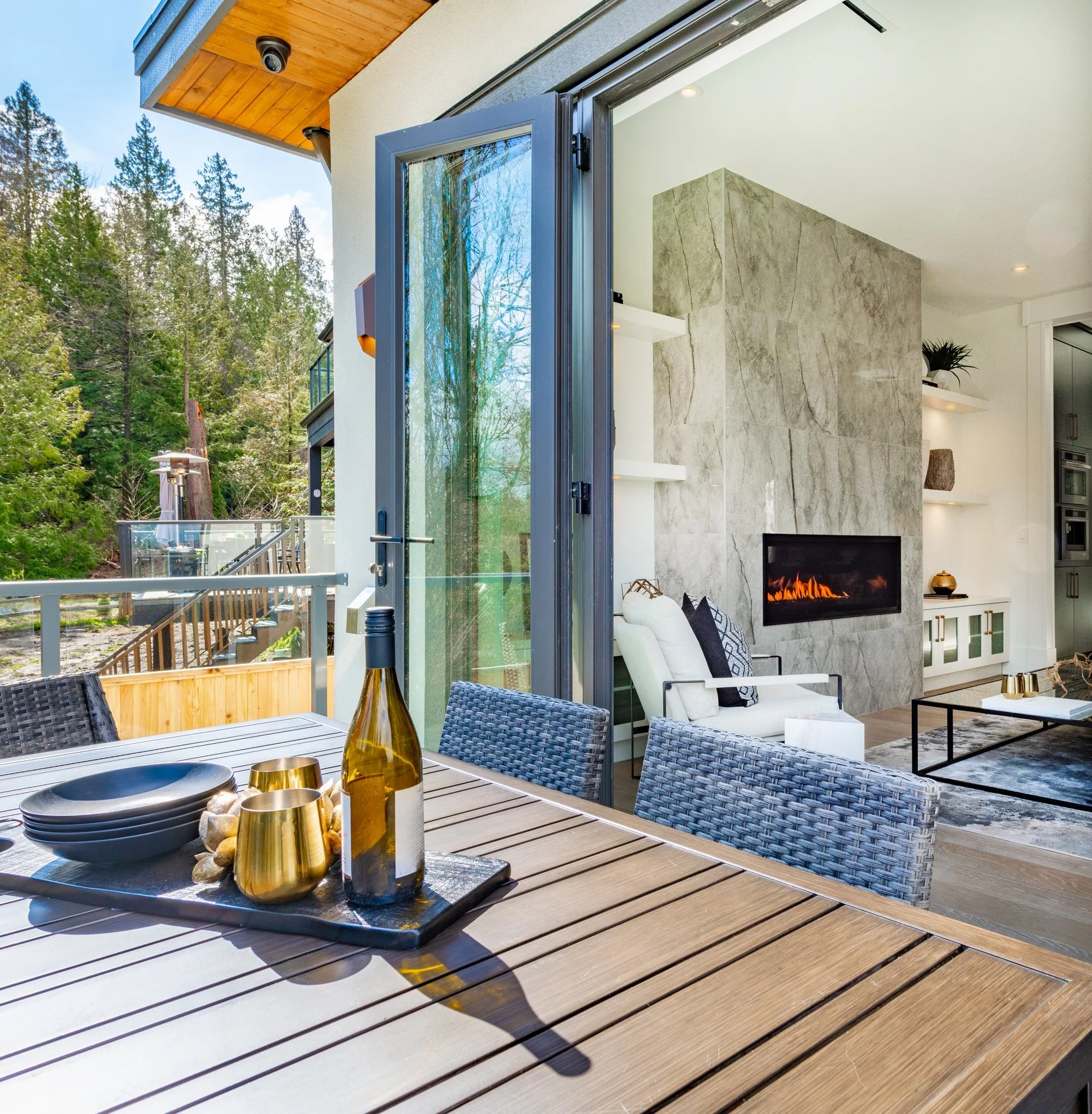
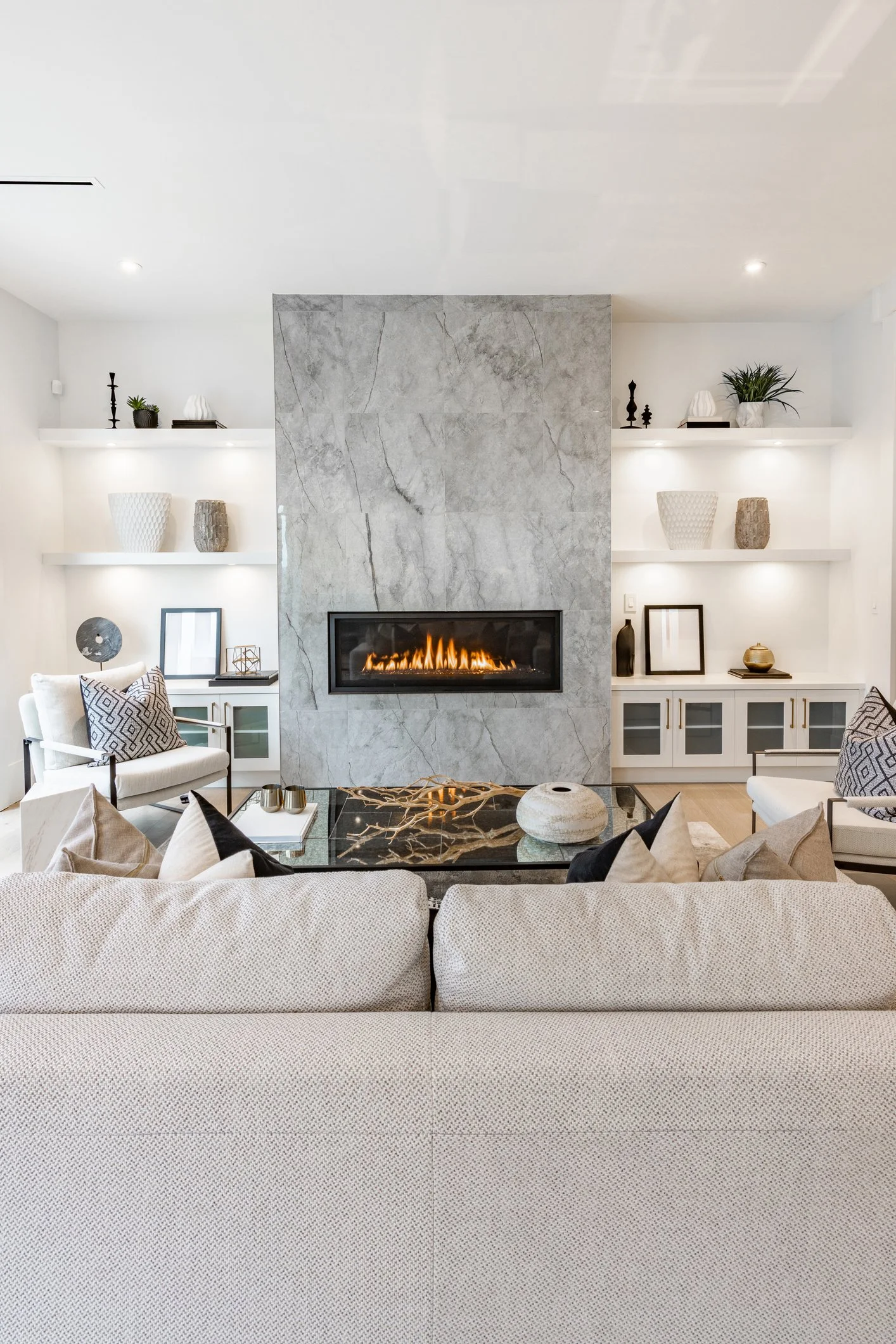
Unlike the colder minimalist spaces we saw years ago, today’s interiors are embracing warmth, texture, and softness while still maintaining clean lines and simplicity.
Some of the key elements include:
Warm wood tones
Creamy whites and soft neutrals
Organic textures
Natural stone surfaces
Layered lighting
Black accents for contrast
Thoughtful styling instead of excess décor
What I love most about this direction is that it allows a home to feel elevated without feeling overly formal or untouchable.
It creates a balance between sophistication and comfort.
Luxury today feels far less about excess and much more about creating spaces that support how people genuinely want to live.
Indoor-Outdoor Living Continues to Influence Design
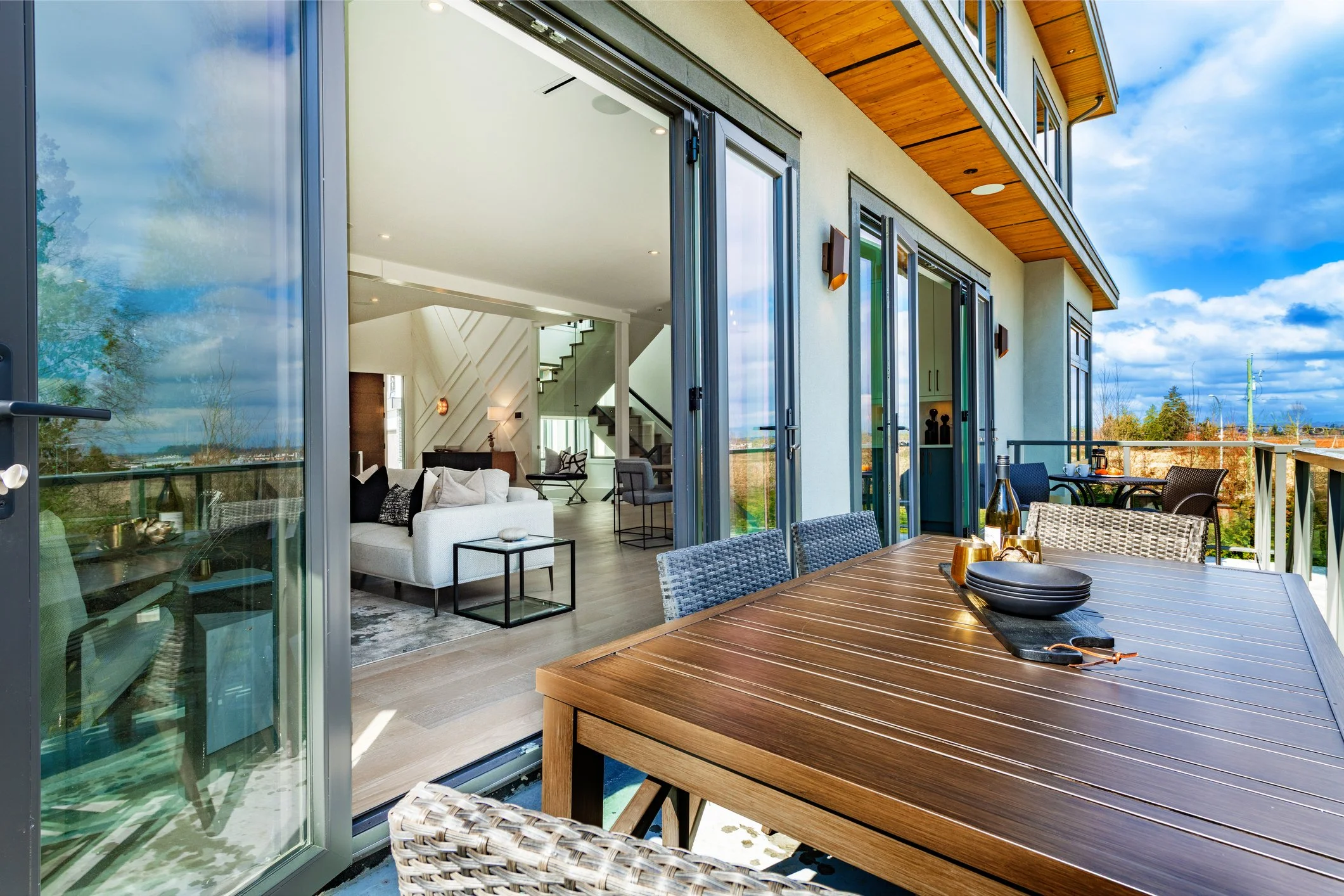
One of my favorite things about summer — and honestly one of my favorite sources of inspiration while traveling — is seeing how seamlessly some homes connect indoor and outdoor living.
Beautiful outdoor spaces aren’t necessarily the largest. They’re simply intentional.
Comfortable seating. Layered lighting. Natural textures. Greenery. Relaxed gathering spaces.
Those details create environments that feel restorative the moment you step outside.
More homeowners are beginning to view patios, balconies, and outdoor seating areas as true extensions of the home rather than separate spaces.
And in many ways, some of the best-designed outdoor spaces feel just as layered and thoughtful as the interiors themselves.
Why Material Selections Should Never Happen Separately
One of the biggest mistakes homeowners make during a remodel is selecting materials one at a time instead of viewing them together.
Paint colors, flooring, countertops, cabinetry, fabrics, and lighting all influence one another.
A flooring sample may look beautiful individually. A countertop may look beautiful individually. But once they’re placed together under natural light, undertones can completely shift.
This is why I often begin projects with a full materials pull during the design phase.
Seeing selections together before construction begins helps create:
visual cohesion
stronger flow throughout the home
fewer expensive mistakes
and a much more intentional final result
Those early design decisions often become the foundation for how successful a space ultimately feels.
DESIGN TIP
Before ordering materials for a remodel, always place your selections together in natural light. Paint, flooring, countertops, and fabrics can shift dramatically depending on surrounding finishes and lighting conditions. Seeing everything together first creates a far more intentional and cohesive final result.
DESIGN TREND
Warm minimalism continues to dominate 2026 interiors, but with a softer, more organic approach. Expect to continue seeing layered neutrals, textured stone, natural wood tones, black accents, and indoor-outdoor influences creating homes that feel elevated without feeling cold.
The homes that resonate most deeply with people are rarely the ones trying the hardest.
They’re the homes that feel balanced. Thoughtful. Relaxed. Connected.
Whether through layered textures, intentional layouts, warm minimalism, or simply making more cohesive material decisions, thoughtful design has the ability to completely change how a home supports everyday life.
And honestly? Sometimes the smallest design adjustments end up making the biggest difference in how a space feels. Click to schedule your Discovery Call.
XO,

Amy Baez Interiors is a boutique interior design studio serving League City, Bay Area Houston, Clear Lake, Kemah, and surrounding coastal Texas communities.
